
青年養護施設の実践における再帰的音楽療法の臨床的考察
DOI:
https://doi.org/10.15845/voices.v18i4.2602关键词:
里親制度, 音楽療法, 臨床的内省摘要
音楽療法での個人個人の経験について描写することはたやすくないが、一方でそのプロセスを共にした者として彼らの経験を払うこともまた難しい。児童福祉領域について研究し記述することにも大きな苦労を伴う。というのは、多くの場合音楽療法士は若者の「代弁者(声)」であるからだ。セラピーに時として不均衡があるように、音楽療法場面だけでなく青年の日常生活の経験にもアンバランスが存在する。本稿では、児童擁護施設または養子縁組み(あるいは両方)を経験した青少年への取り組みに関する研究、理論、実践を臨床的に考察した。特別な調査研究ではないが、本考察の要素にはヒューリスティック研究と再帰的現象学の基礎が含まれる。
児童福祉に関するこの特別な問題は、青少年が必要とする資源への理解や、音楽療法士と青少年に対する発言の機会の提供、児童福祉制度の関係者の連携体制を促進する。それはまた、養護施設や里子に関連する児童福祉システムに出会った音楽療法学生の批判的思考を促すために重要と思われる。ヒューリスティックアプローチの一端として、本稿では4人の著者がそれぞれの経験を概観し、次のような疑問に応じて文献を提供する。文献上で青少年はどのように認識されているか?音楽的経験は彼ら自身の経験とどう関連するのか?音楽療法士と青少年の役割は何か?文献の中で青少年は再帰的に適切に論じられているか?音楽療法での関係性の本質はどのようなものか?音楽療法はあなたの人生にどう関係してきたか、してこなかったか?再帰的に考えることを通じて、音楽療法分野は批判的省察と統合的連携をより促進する可能性があると示唆された。
参考
Abrams, B. (2012). A relationship-based theory of music therapy: Understanding processes andgoals as being-together-musically. In K. E. Bruscia (Ed.), Readings on music therapy theory (pp. 128-176). Gilsum, NH: Barcelona Publishers.
Advocates for Children of New York, Inc. (2018). The importance of school stability for youthin foster care. Retrieved from: http://www.advocatesforchildren.org/sites/default/files/library/school_stability_youth_fostercare.pdf?pt=1
Bruscia, K. E. (2014). Defining music therapy (3rd ed.). University Park, Il: Barcelona Publishers.
Douglass, B. G., & Moustakas, C. (1985). Heuristic inquiry: The internal search to know. Journal of Humanistic Psychology, 25(3), 39-55, https://doi.org/10.1177/0022167885253004.
Fairchild, R., & Bibb, J. (2016). Representing people in music therapy research and practice: A balancing act. Voices: A World Forum for Music Therapy, 16(3), https://doi.org/10.15845/voices.v16i3.878.
Fairchild, R., McFerran, K. S., & Thompson, G. (2017). A critical interpretive synthesis of the ways children's needs and capacities are represented in the homelessness and family violence literature. Children Australia, 42(1), 18-29, https://dx.doi.org/10.1017/cha.2016.46.
Fairchild, R., & Mraz, M. (2017). Everything changed when I got those drums: A collaborative case reflection. Voices: A World Forum for Music Therapy, 18(1), https://doi.org/10.15845/voices.v18i1.957.
Gross, R. (2018). The social model of disability and music therapy: Practical suggestions for the emerging clinical practitioner. Voices: A World Forum for Music Therapy, 18(1), https://doi.org/10.15845/voices.v18i1.958.
Kruger, V., & Stige, B. (2014). Between rights and realities-music as a structuring resource in child welfare everyday life: A qualitative study. Nordic Journal of Music Therapy, 24, 99-122, https://dx.doi.org/10.1080/08098131.2014.890242.
McLeod, S. A. (2008). Wilhelm Wundt. Retrieved from http://www.simplypsychology.org/wundt.html http://www.simplypsychology.org/wundt.html
Moustakas, C. (2001). Heuristic research: Design and methodology. In K. J. Schneider, J. F. T. Bugental, & J. F. Pierson (Eds.), The handbook of humanistic psychology: Leading edges in theory, research, and practice (pp. 263-274). Thousand Oaks, CA: Sage Publications.
National Youth Foster Institute (2018). Education. Retrieved from: https://www.nfyi.org/issues/education/
O’Donohue, J. (2008). To bless the space between us: A book of invocations and blessings. New York: Doubleday.
Sprague, J., & Hayes, J. (2000). Self-determination and empowerment: A feminist standpoint analysis of talk about disability. American Journal of Community Psychology, 28(5), 671-695, https://dx.doi.org/10.1023/A:1005197704441.
Viega, M. (2016). Exploring the discourse in hip hop and implications for music therapy practice. Music Therapy Perspectives, 34(2), 138-146, http://dx.doi.org.ezp.twu.edu/10.1093/mtp/miv035.
Zanders, M. L. (2012). The musical and personal biographies of adolescents with foster care experience. Qualitative Inquiries in Music Therapy, 7, 71-109.
Zanders, M. L. (2013). Foster care youth. In L. Eyre (Ed.), Guidelines for music therapy practice in mental health (pp. 205-236). Gilsum, NH: Barcelona Publishers.
Zanders, M. L. (2014). Music therapy. In E. S. Neukrug (Ed.), Encyclopedia of Psychotherapy and Counseling (pp. 687-690). Thousand Oaks, CA: Sage Publications, Inc.
Zanders, M. L. (2015). Music therapy practices and processes with foster care youth: Formulating an approach to clinical work. Music Therapy Perspectives, 33(2), 97-107, http://dx.doi.org.ezp.twu.edu/10.1093/mtp/miv028.
Downloads
已出版
How to Cite
License
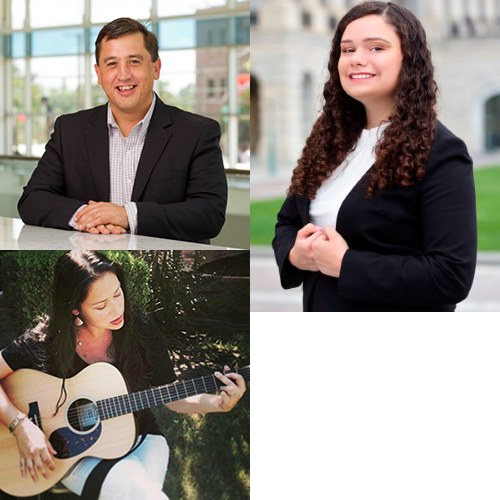
Copyright (c) 2018 Michael L. Zanders, Melanie Midach, Lindy Waldemeier, Brittney Barros

This work is licensed under a Creative Commons Attribution 4.0 International License.
Articles published prior to 2019 are subject to the following license, see: https://voices.no/index.php/voices/copyright