
“Voces de la Tierra”
Reflexiones Sobre una Experiencia de Composición de Canciones en Lengua Indígena con Perspectiva Grupal, Comunitaria e Intercultural para Honrar al Territorio
DOI:
https://doi.org/10.15845/voices.v25i3.4581Parole chiave:
comunidades indígenas, composición de canciones, identidad, territorioAbstract
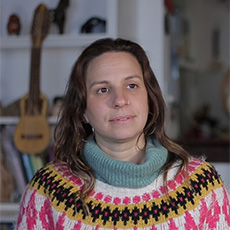
Este artículo intenta transmitir, de una manera clara y sencilla, los distintos ejes desde dónde posicionarse como musicoterapeuta en el trabajo con las comunidades indígenas. Se trata de la aproximación a una metodología, esbozada desde lo empírico, con aciertos y errores, que surge de distintas experiencias en las que participo desde hace más de diez años y que se profundiza, sobre todo, en un proyecto en especial que se llama “Pecnetao Huanamina –La Canción de la Madre Tierra.” Como musicoterapeutas, altrabajar con comunidades indígenas, contamos con dos recursos valiosos y transformadores: el uso de la voz y la composición de canciones. Ellos son indispensables en nuestra tarea, que pone la mirada en acompañar el reencuentro con la memoria ancestral y la identidad indígena y en visibilizar la presencia indígena en nuestros territorios.
Comentario Editorial
¿Cómo nos vinculamos con las personas y las comunidades a las que deseamos cuidar? ¿Cómo nos relacionamos con ellas, asumiendo nuestras posiciones de privilegio? ¿Qué nos hace iguales y qué nos diferencia de ellas? Para la autora, ser musicoterapeuta nos exige estar presentes, “con una escucha abierta, atenta y deconstruida,” sabiendo que la desconfianza percibida en los primeros encuentros (al fin y al cabo, somos los otros, los de afuera) luego puede transformarse en un espacio de mutuo cuidado. Las identidades indígenas son parte distintiva de América Latina. Muchas veces silenciadas, ellas encuentran en las canciones un recurso para revitalizar sus lenguas originarias.
Pubblicato
Come citare
Fascicolo
Sezione
Licenza
Copyright (c) 2025 Maria Clara Olmedo

TQuesto lavoro è fornito con la licenza Creative Commons Attribuzione 4.0 Internazionale.
Articles published prior to 2019 are subject to the following license, see: https://voices.no/index.php/voices/copyright